
Could minors be allowed to serve alcohol in Saskatchewan?
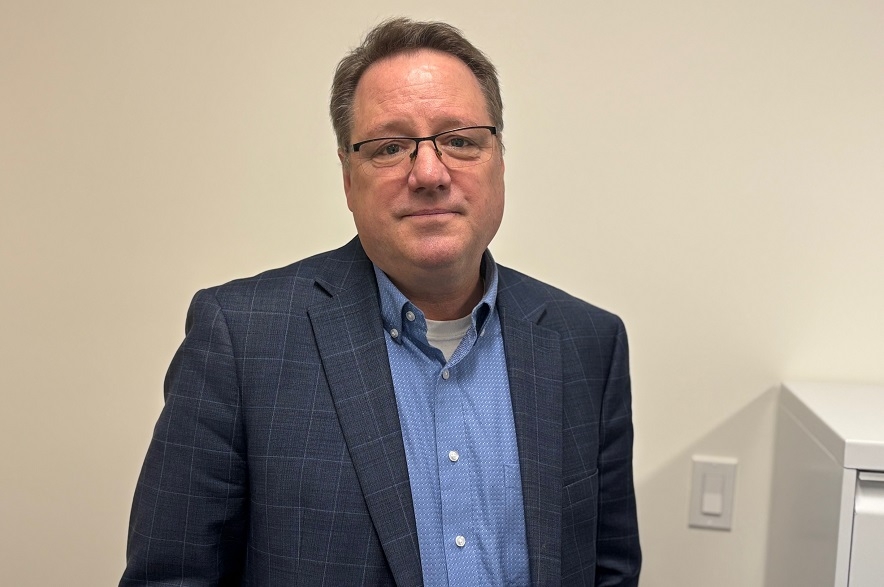
One of the province’s largest tourism associations is lobbying the province to change liquor laws to allow anyone 14-and-up to deliver alcohol to customer tables.
Hospitality Saskatchewan registered to lobby the provincial government on Monday, with the intention of highlighting the significant labour shortages the industry is facing, and how a tweak to liquor laws could greatly help businesses.
“The available labour pool across Canada has really seen a shift,” Hospitality Saskatchewan CEO Jim Bence said. “And in provinces that are smaller — 1.5 million people or less -- we’re really the canaries in the coal mine.”
Bence says a number of factors are contributing to labour challenges. A federal cap on immigration has led to fewer international students seeking employment in the service industry, and hotel restaurant management programs across the country are closing under less demand.
“We need to look at almost every opportunity to employ somebody and have them work in our establishments,” he said.
Hospitality Saskatchewan says the larger centres are faring better than smaller or rural communities, which may only have one person 19 and older on staff.
Current liquor laws don’t allow minors to bring alcoholic beverages to a customer’s table or clean tables if an unfinished drink is left behind.
“They can really use a hand, right down to whether it’s clearing tables, clearing bottles, or even expediting drinks to a table,” Bence said. “It really would give them a big leg up in just being able to service the customers that they have.”
O’Shea’s Irish Pub co-owner Dan Beavis is used to hiring young people who may be working in the service industry for the first time.
He admits this change wasn’t on his radar, with help usually nearby and unbothered to deliver drinks for a co-worker. However, he knows other bar owners having trouble hiring or replacing staff who would gladly accept a change in regulations.
“If you have to follow the liquor laws regardless, then what difference does it make if the person is 18-years-old or 19-years-old?” he said. “Neither one’s allowed to drink it while they’re working, so it doesn’t really bother me.”
With discussions just beginning, any changes would be months or even years away. The Saskatchewan Liquor and Gaming Authority (SLGA) and Labour Relations and Workplace Safety would need to approve the change in regulations, with the Ministry of Justice also needed for any potential legislative changes.
“We’re appreciative of the fact that both (SLGA and Justice) have been interested in further conversations, whether it will go anywhere or not remains to be seen, but we’re hopeful,” Bence said.
In a statement, the SLGA says anyone under 19 in Saskatchewan is considered a minor, and minors cannot in any way act to sell, handle or serve at a place issued a liquor permit.
“At this time, legislative changes are not being considered,” the statement said.
“We appreciate there are different views on this matter and before any decision could be made we would need to consult with and balance the concerns of stakeholders including Hospitality Saskatchewan, the Ministry of Labour Relations and Workplace Safety and others.”
If the changes moved forward, it could offer a boost to youth out there struggling to find employment. A new Statistics Canada report shows the youth unemployment rate is far outpacing the national average.
Canada’s unemployment rate for 15- to 24-year-olds rose to 14.1 per cent in February, up from 13.3 per cent at the end of 2025. That makes the youth unemployment rate more than double the national average of 6.7 per cent in February, which was a slight 0.1 per cent decrease from December 2025.